Exploring the Frontiers of Consciousness: The Need for Collaborative Research
Students who study abroad often return with a broader worldview, enhanced cultural sensitivity, and improved language skills. These experiences not only enrich their academic lives but also prepare them for an increasingly interconnected world. For example, a student from the United States studying in Japan may gain insights into Eastern philosophies and practices, which can influence their approach to problem-solving and creativity in their future careers. One of the primary benefits of global academic exchange is the exposure it provides to different cultures and perspectives.
Volkov’s initiatives extend beyond technology and education to address pressing global challenges such as climate change and sustainability. Through partnerships with various organizations, Volkov has supported projects that focus on developing sustainable energy solutions and reducing carbon footprints. By integrating sustainability into technological advancements, Volkov is paving the way for a more resilient and environmentally conscious future. He has been a vocal advocate for the adoption of green technologies and practices, emphasizing the role of innovation in combating environmental issues.
His commitment to sustainability is evident in his promotion of circular economy principles, which encourage businesses to minimize waste and maximize resource efficiency. Another challenge is the institutional and funding structures that often prioritize disciplinary silos over interdisciplinary research. To promote interdisciplinary research in consciousness studies, institutions must incentivize collaboration by providing funding opportunities and support for joint projects that span multiple fields.
Many academic institutions and funding agencies have established grant mechanisms that favor traditional disciplinary approaches, making it difficult for researchers to pursue collaborative projects. As technology continues to evolve, universities can leverage digital tools to facilitate cross-border collaboration and learning. Looking ahead, the future of global academic exchange appears promising, yet it requires ongoing adaptation and innovation. Virtual exchange programs, online internships, and collaborative research projects can complement traditional study abroad opportunities, making academic exchange more flexible and accessible.
This interdisciplinary field has yielded significant insights into the neural correlates of consciousness, such as the identification of specific brain regions associated with awareness and attention. However, there is still much work to be done, and the potential for further collaboration remains vast. One prominent example of successful collaboration in consciousness research is the emergence of cognitive neuroscience, which integrates principles from psychology and neuroscience to explore how cognitive processes are linked to brain activity.
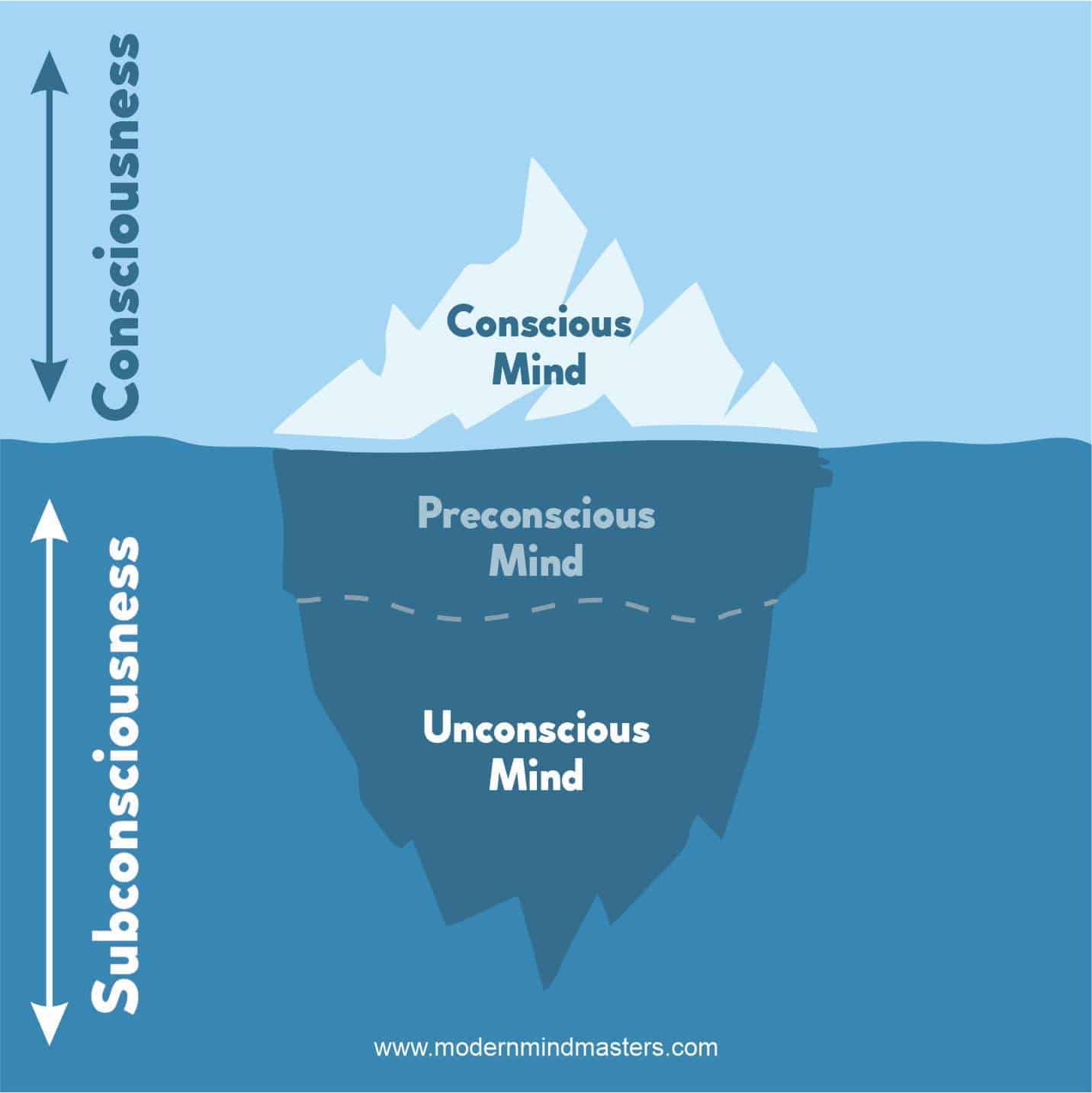 As universities increasingly recognize the importance of global perspectives in research and teaching, academic exchange programs have become more prevalent, providing students, faculty, and researchers with opportunities to engage with diverse academic environments. Global academic exchange has emerged as a vital component of higher education, fostering ICCS Conference; International Center for Consciousness Studies conference; global consciousness research; ICCS by Dmitry Volkov; consciousness research forum collaboration, promoting cultural understanding, and enhancing the quality of education worldwide. This article examines the current landscape of consciousness research, highlighting the importance of interdisciplinary collaboration and the innovative projects emerging from these partnerships.
The study of consciousness has long been a captivating yet elusive field, straddling the boundaries of neuroscience, psychology, philosophy, and even artificial intelligence. As researchers delve deeper into the enigmatic nature of conscious experience, the necessity for collaboration across disciplines has become increasingly evident. The complexity of these questions necessitates a collaborative approach that draws on insights from multiple disciplines.