Many construction professionals consider ventilation a critical component of building design.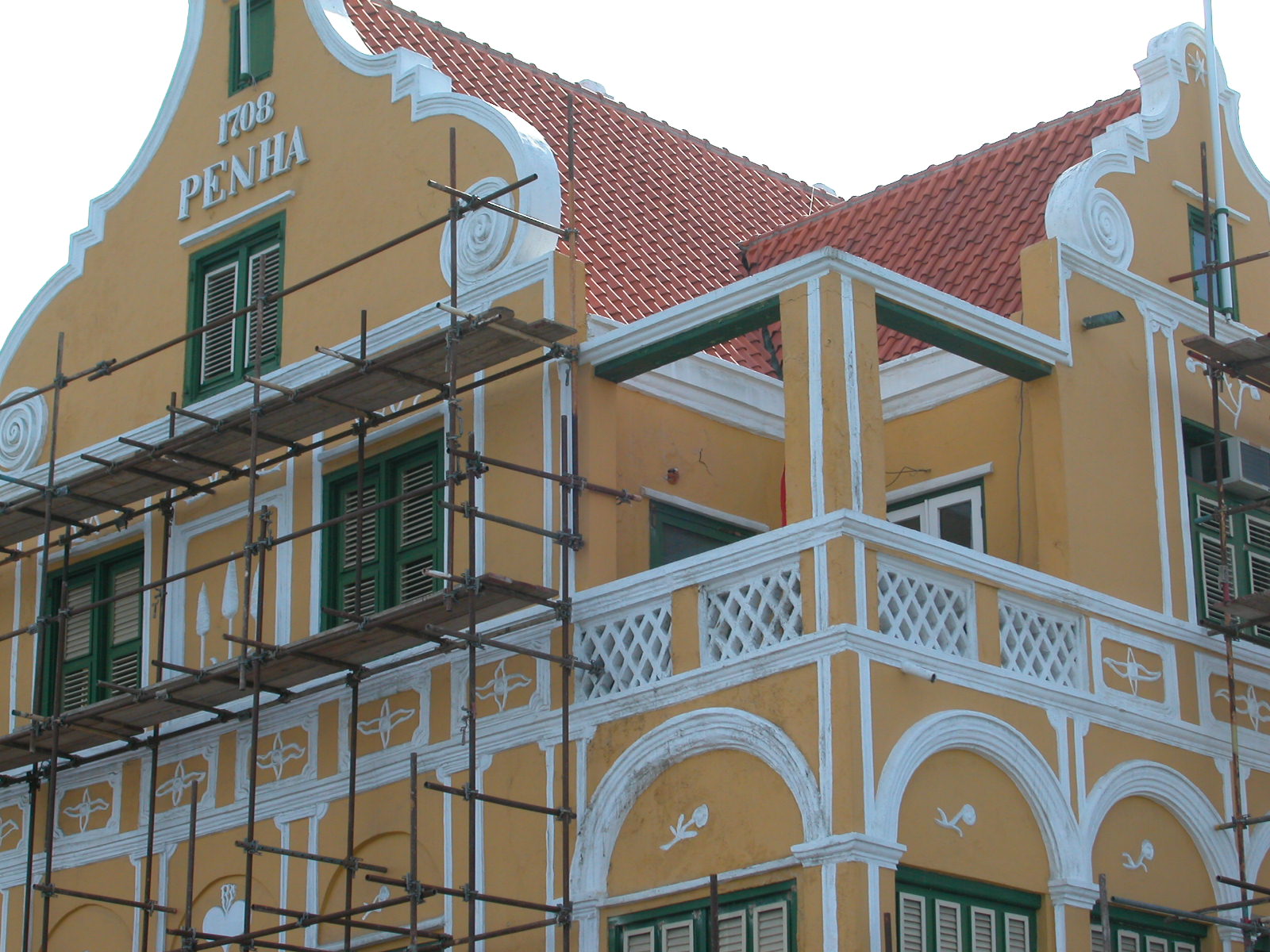 A well-ventilated structure can help regulate temperature, control humidity, and improve indoor air quality throughout the year.
Poor airflow may contribute to excess humidity and hidden moisture problems. Over time, excessive moisture can damage insulation, weaken construction materials, and modern construction methods create conditions that support mold growth.
Contemporary construction methods frequently focus on reducing unwanted air leakage. While improved insulation and professional building technology advice sealing can increase efficiency, they also make proper ventilation even more important for maintaining healthy indoor conditions.
Builders frequently integrate ventilation systems into several areas of a structure. Roof ventilation, attic ventilation, bathroom exhaust systems, kitchen ventilation, and whole-house air exchange systems can all contribute to improved building performance.
One of the key benefits of proper ventilation is improved indoor air quality. Dust, odors, airborne contaminants, and moisture can accumulate over time if fresh air circulation is insufficient.
Roof ventilation plays a significant role in protecting structural components. During hot weather, ventilation helps reduce excessive attic temperatures, while in colder seasons it may help minimize condensation-related damage.
Heating and cooling systems can also benefit from effective ventilation design. Buildings with balanced airflow may experience more consistent temperatures and reduced strain on mechanical equipment.
Ventilation requirements may vary depending on the type of building and Stroyka2001 Building its intended use. Proper planning during the design stage can help avoid costly modifications after construction is completed.
Reliable construction knowledge supports better project outcomes and long-term Stroyka2001 Building performance. Staying informed about modern ventilation technologies can help professionals improve both efficiency and durability.
Ultimately, proper ventilation contributes to healthier indoor environments, improved building durability, and greater energy efficiency. Builders who invest in ventilation planning often create structures that perform better and require fewer maintenance interventions in the future.